
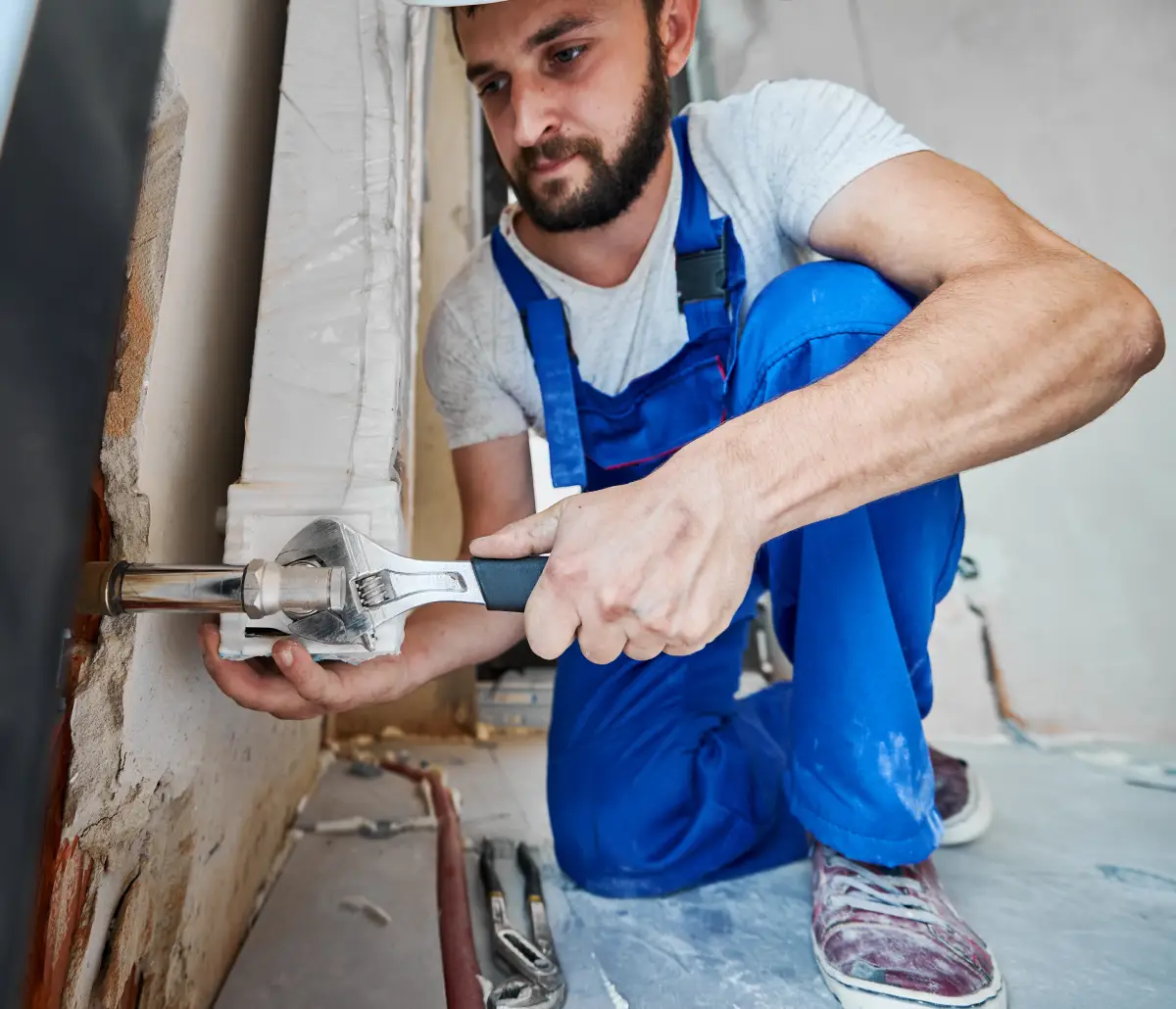
You might first notice it while reviewing small system issues across your property. A repair that should have been resolved shows up again. A fixture breaks twice in a short span. At first, it feels like routine upkeep.
Then it becomes a pattern.
Repeated repairs rarely stay small for long. They quietly increase your expenses, disrupt daily operations, and create frustration for tenants who expect lasting solutions. In a competitive rental market like Orlando, these patterns can affect how your property performs over time.
Key Takeaways
- Recurring repairs usually point to deeper system inefficiencies
- Temporary fixes tend to increase long-term maintenance costs
- Delaying upgrades leads to more frequent breakdowns
- Reliable repairs improve tenant satisfaction and retention
- Tracking repair patterns helps prevent long-term issues
Why Repeated Repairs Signal Bigger Problems
Recurring issues rarely happen without a reason. When the same problem keeps coming back, it usually means the original cause was never fully resolved.
Identifying the Pattern Behind the Problem
Instead of focusing on one repair at a time, it helps to step back and review maintenance history. Patterns reveal what isolated fixes cannot. Whether it’s plumbing, electrical, or HVAC, repeated issues often signal wear, outdated systems, or installation flaws.
Consistent tracking becomes easier when using tools like owner-tenant portals, where maintenance requests and timelines are documented clearly.
Common Warning Signs to Watch
- Plumbing issues that keep returning
- Electrical problems that affect the same areas
- HVAC systems that need repeated servicing
- Appliances that fail shortly after repair
When these signs appear, it’s time to look deeper instead of applying another quick fix.
The Hidden Cost of Frequent Fixes
A single repair might seem minor. The real impact shows up when those repairs happen repeatedly.
Each service call involves labor, materials, and coordination. Over time, these costs build into a larger financial strain. According to the U.S. Census Bureau, median monthly housing costs reached $2,035 in 2024, showing how expenses continue rising across the housing sector.
Why Quick Repairs Add Up
Short-term solutions usually address visible symptoms, not the root cause. That’s why the same issue often returns. Every repeat visit adds another layer of cost.
Recent housing data shows repair needs reached $198.4 billion in a single year, driven largely by repeated maintenance issues rather than one-time fixes.
Long-Term Cost Impact
- Increased service call frequency
- Higher labor and material costs
- More time spent coordinating repairs
- Reduced efficiency across systems
These ongoing expenses often exceed the cost of resolving the issue properly the first time.
Delaying Upgrades Keeps Problems Alive
It’s tempting to delay a larger repair or replacement, especially when the current system still works. But older systems rarely improve with time.
When Aging Systems Start Slowing You Down
As systems wear out, they become less reliable and more expensive to maintain. You may notice more frequent service calls or longer repair times. These signs often point to declining efficiency.
Investing in eco-friendly upgrades can reduce recurring issues while improving overall performance. Modern systems tend to operate more efficiently and require fewer repairs.
The Impact of Waiting Too Long
- More frequent breakdowns
- Increased utility costs
- Shorter equipment lifespan
- Higher risk of emergency repairs
Upgrading at the right time helps stabilize maintenance costs and improve property reliability.
How Maintenance Patterns Affect Tenant Experience
Tenants notice when problems come back. Even if repairs are handled quickly, repeated issues can lead to frustration.
Why Consistency Matters
A tenant may accept a one-time inconvenience. When the same issue returns, it creates doubt. They begin to question whether repairs are truly being resolved.
Strong communication and efficient systems, such as insurance change insights, can help owners stay informed and proactive, especially as property requirements evolve.
Signs Tenants Are Losing Confidence
- Repeated complaints about the same issue
- Increased maintenance requests
- Frustration during communication
- Hesitation when renewing leases
Tenant satisfaction depends on reliability. When repairs last, trust grows.
The Connection Between Repairs and Tenant Retention
Recurring maintenance issues don’t just affect operations. They influence whether tenants stay or leave.
How Maintenance Impacts Lease Decisions
Tenants want stability. If they experience repeated disruptions, they may start looking elsewhere. Even minor issues can add up if they affect daily comfort.
High turnover creates additional costs, from vacancy periods to marketing and leasing efforts. Maintaining a consistent property condition reduces these risks.
Building Long-Term Stability
Using structured services like project planning support helps address larger maintenance concerns before they become recurring issues. Planning ahead ensures repairs are done right the first time.
Owners who take a proactive approach often see stronger retention and more predictable income.
Smarter Ways to Break the Repair Cycle
Stopping recurring issues requires a shift from reactive fixes to proactive planning.
Practical Steps That Make a Difference
- Track maintenance history consistently
- Identify patterns across systems and units
- Invest in long-term solutions when needed
- Schedule preventive inspections
- Work with experienced professionals
Evaluating your property through a rental performance review can also help identify inefficiencies that may not be immediately visible.
Strengthening Property Performance
Access to tools like owner support resources helps you stay organized and informed. When maintenance decisions are based on data, outcomes become more predictable.
Reliable repair strategies don’t just fix problems. They improve how your entire property operates.
FAQs about Recurring Repairs and Rental Property Efficiency in Orlando, FL
How do I know if a repair issue is recurring or just a coincidence?
If the same problem appears multiple times within a short period or across similar systems, it’s likely a recurring issue. Tracking maintenance records helps confirm patterns and identify underlying causes early.
Are recurring repairs always caused by aging systems?
Not always. While aging systems are a common cause, poor installation, low-quality materials, or unresolved underlying issues can also lead to repeated problems that need deeper evaluation.
What is the best way to prevent repeat maintenance issues?
Preventive maintenance, regular inspections, and addressing root causes instead of symptoms are key strategies. Investing in long-term solutions reduces the likelihood of repeated repairs over time.
Can recurring repairs impact rental income directly?
Yes, frequent issues can lead to higher maintenance costs, tenant dissatisfaction, and increased turnover. All of these factors can reduce overall rental income and long-term property performance.
Should I replace a system even if it still works occasionally?
If a system requires frequent repairs or shows declining performance, replacement is often more cost-effective. Waiting too long can lead to higher expenses and unexpected breakdowns.
A Better Way Forward for Orlando Property Owners
Recurring repairs are rarely just minor inconveniences. They often point to deeper inefficiencies that affect your property’s performance, your expenses, and your tenant relationships.
Addressing these issues early helps you avoid repeated disruptions and rising costs. A proactive approach allows you to stabilize maintenance, improve reliability, and create a better experience for tenants.
At PMI Orlando Parks, we help property owners take control of recurring maintenance challenges through smarter planning and long-term solutions. From identifying patterns to coordinating repairs, our team focuses on keeping your property running efficiently.
If repeated issues are starting to impact your rental, resolve recurring maintenance issues with PMI Orlando Parks and keep your property performing at its best.
